

When we talk about the beginning of summer it is usually referring to the astronomical seasons. This year the astronomical summer begins on the 20th of June and ends on the 22nd of September. This calendar determines the seasons due to the earth’s axial tilt and the rotational axis around the sun. As a result both the summer and winter solstices are related to the earths orbit around the sun.

Summer – June, July and August
The 21st of June is the summer solstice, this is when we have the longest day with the sun rising earliest and setting the latest.
For wildlife watchers, this is when insect life is at its busiest and when it might be the best time to get to know moths, beetles, grasshoppers and dragonflies. Summer is also a great time to head down to the coast and investigate rock pools for marine life.
Top Five Things to Look Out for this Summer
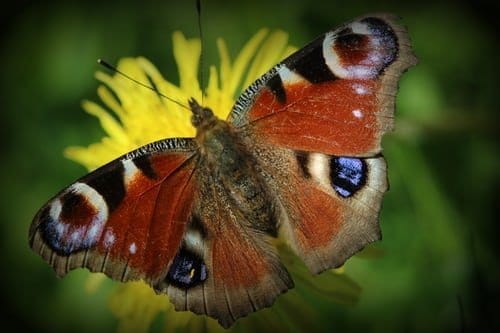 Beautiful Butterflies
Butterflies can be seen in wild-flower meadows, parks, woodland and even your back garden so why not keep an eye out and see if you can identify them! You could even start to keep a record of them by drawing them. If you keep still enough they will let you watch them as they feed on the flowers that are rich in nectar. Butterflies that you might see may include small tortoiseshells, red admirals, peacocks, painted ladies large whites, speckled wood  and small whites! These are just a few out of the many that will be around this summer!
Poppy Fields
June, July and August are when poppies flower, creating a great summer spectacle of dazzling red carpets throughout the fields. Poppies can also be found in your garden, along roadsides and grass verges in addition to building sites where soil has been disturbed. These vibrant flowers are definitely worth searching for this summer!
Heathland Flowers
In August, the heathlands and moorlands turn a beautiful purple as heather comes into full flower. You will also find the yellow flowers of spiny gorse. These flowers smell like coconut on hot days and you might even hear the popping of the seed heads.
The Fluttering of Bats
 On summer evenings bats are at their most active and can be seen dipping and diving in parks, woodlands and even in larger gardens. Without a bat detector, it will be hard to identify which species you might be looking at. However, pipistrelles are the most common species of small bat and brown long-eared bats are the most frequently found bats.
The Twittering of Fledglings
In early summer you can look for fledgeling birds, watching carefully, you might even  be able to see parent birds feeding their young. Some young birds leave the nest before they can fly if you think you have found one, its best not to pick it up! The parents are usually close by and will care for them. For example, in lakes and rivers ducklings, cygnets and goslings will find their own food but their parents will be caring for them when the weather is cold or wet. You may even see the young riding on their parent’s backs.
Top Five Things to do this Summer

1. Go Pond Dipping
Many wildlife trusts will be running pond dipping events on your local reserves. Here you can learn about the very diverse wildlife that exists in and around ponds such as dragonflies, water scorpions, water beetles, leeches and other exciting pond residents.
2. Visit a Meadow
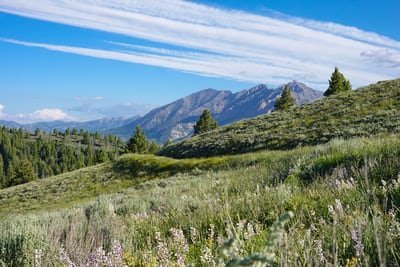 Local wildlife trusts may also be running events in flowering meadow nature reserves. Since 1945 over 95% of traditional flower-rich grassland has been destroyed and so these habitats are now under protection and conservation. June is a great month for flowering in these meadows and you might be able to see orchids and other beautiful flowers in addition to critters such as butterflies, grasshoppers and crickets.
3. Join a Moth Event
 Many local Wildlife Trusts run moth trapping events where you can learn about the many kinds of moths we have in the UK. If you can’t get to any of these events then you can still study them…. in your own garden! By mixing sugar, beer and treacle together and then painting this mixture onto tree trunks you can attract moths and see them very close up. You can also stand a white bed sheet up in the garden and put a bright torch behind it, this will also attract moths as they are attracted to the light.
 4. Create a Leaf Tree Record
In the summer, all the leaves are in full shape and colour and every tree has a different leaf shape. Removing a single leaf from a tree won’t damage the tree and so you can collect these leaves. Once collected you can press them in a flower press and label them once you’ve identified them. You then have a record of your findings!
5. Visit the Seashore
There are lots to be seen at the seaside this summer! You can explore rock pools and comb  beaches to find interesting wildlife. It can also be interesting to watch seabirds fishing, visiting a seal colony and even watching dolphins and whales! The seaside can offer a huge range of wildlife spectacles and who doesn’t enjoy a trip to the beach!
As you can see, the summer is a very lively time of year for a wide variety of wildlife and there are many ways to be a part of it!
Our licensed ecologists are experienced in a range of ecology survey types, European Protected Species licensing and mitigation design and implementation.
For more information about bat surveys or any of our other ecological services call us on 029 2065 0331 or email enquiries@acerecology.co.uk.


